Discover Smart Surveillance Systems
Summary
Enhance security with smart surveillance systems designed for modern needs. Learn how these innovative solutions can protect homes and businesses efficiently.
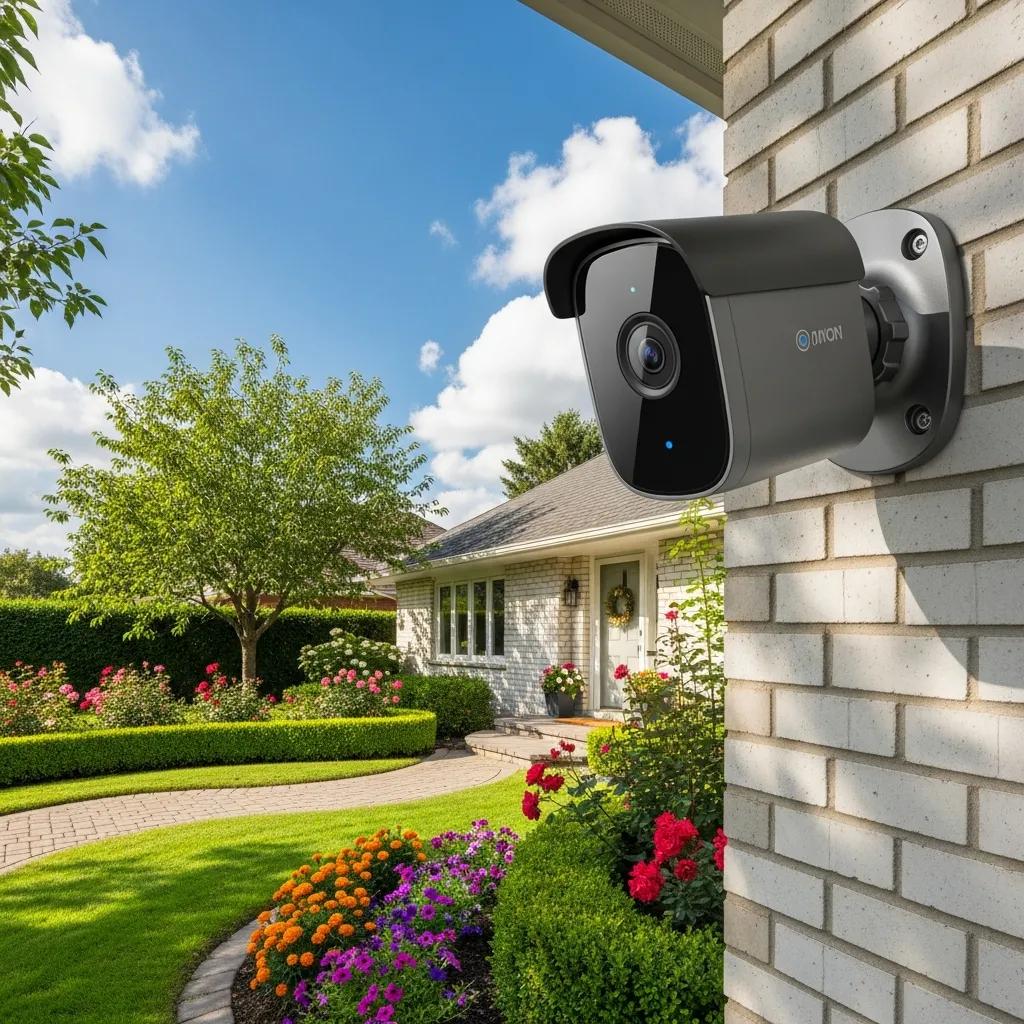
Discover Smart Surveillance Systems: Comprehensive Guide to Intelligent Security Cameras and AI Surveillance Technology
Smart surveillance systems represent a significant advancement in security technology, integrating intelligent security cameras and AI surveillance technology to enhance safety and monitoring capabilities. These systems utilize advanced video analytics and machine learning algorithms to provide real-time insights and improve threat detection. As security concerns grow, understanding the mechanisms and benefits of smart surveillance systems becomes essential for both residential and commercial applications. This article will explore the key technologies behind smart surveillance, the transformative role of AI and machine learning, privacy considerations, industry trends, and effective integration strategies. By the end, readers will gain a comprehensive understanding of how to leverage these systems for enhanced security.
Indeed, the integration of various cutting-edge technologies is fundamental to the effectiveness of modern smart surveillance systems.
Smart Surveillance Systems: AI, IoT, ML for Enhanced Security
Smart surveillance systems integrate the Internet of Things (IoT), artificial intelligence (AI), machine learning (ML), and extensive data processing (big data) to enhance real-time monitoring, automated decision-making, and data analytics across multiple sectors. In security, they improve threat detection through facial recognition and pattern analysis.
Smart Surveillance Systems: Trends,
Challenges and Future Directions, G Moepi, 2025
What Are Smart Surveillance Systems and Their Key Technologies?
Smart surveillance systems are integrated security solutions that utilize intelligent security cameras and AI technologies to monitor and analyze environments. These systems enhance traditional surveillance methods by incorporating advanced features such as real-time video analytics, facial recognition, and automated alerts. The importance of these systems lies in their ability to provide proactive security measures, reducing response times and improving overall safety.
Defining Intelligent Security Cameras and AI Surveillance Technology
Intelligent security cameras are equipped with advanced features that allow them to analyze video feeds in real-time. These cameras utilize “AI surveillance technology” to detect unusual activities, recognize faces, and even differentiate between people and objects. This capability significantly enhances the effectiveness of security measures, allowing for quicker responses to potential threats.
How Video Analytics Systems Enhance Threat Detection
Video analytics systems play a crucial role in smart surveillance by processing video data to identify patterns and anomalies. These systems can detect suspicious behavior, such as loitering or unauthorized access, and alert security personnel immediately. The benefits of video analytics include reduced false alarms, improved situational awareness, and enhanced overall security effectiveness.
The capabilities of these systems extend to fostering broader public safety through advanced, real-time threat detection.
AI-Driven Citizen Safety: Real-Time Threat Detection
This paper presents Citizen Safety Analytics, a comprehensive, real-time threat detection solution designed to foster secure public environments through advanced analytics and
AI-Driven Surveillance: Advanced Threat Detection, Real-Time Behavior Analysis for citizen, and Predictive Safety Solutions for women, 2025
How Do AI and Machine Learning Transform Smart Surveillance?

AI and machine learning are at the forefront of transforming smart surveillance systems, enabling them to learn from data and improve their performance over time. These technologies enhance the capabilities of surveillance systems, making them more efficient and effective in threat detection and response.
Applications of AI in Real-Time Video Analytics
AI applications in real-time video analytics include facial recognition, behavior analysis, and anomaly detection. These applications allow security systems to identify individuals and assess their actions, providing valuable insights for security teams. For instance, AI can analyze crowd behavior to detect potential threats before they escalate, ensuring a proactive approach to security.
Further emphasizing the role of AI in creating safer environments, research highlights its application in public safety.
AI-Enabled Smart Video Surveillance for Public Safety
Recent advancements in artificial intelligence (AI) have seen the emergence of smart video surveillance (SVS) in many practical applications, particularly for building safer and more secure communities in our urban environments. Cognitive tasks, such as identifying objects, recognizing actions, and detecting anomalous behaviors, can produce data capable of providing valuable insights to the community through statistical and analytical tools.
Understanding policy and technical aspects of ai-enabled smart video surveillance to address public safety, BR Ardabili, 2023
Benefits of Machine Learning for Remote Monitoring Solutions
Machine learning enhances remote monitoring solutions by enabling systems to adapt to changing environments and user behaviors. This adaptability leads to improved accuracy in threat detection and reduced reliance on human intervention. As a result, organizations can achieve greater efficiency in their security operations, allowing for more effective resource allocation.
What Are the Privacy and Legal Considerations for Smart Surveillance?

As smart surveillance systems become more prevalent, privacy and legal considerations are increasingly important. Understanding the regulations governing surveillance data collection is essential for compliance and ethical use of these technologies.
Key Privacy Laws Regulating Surveillance Data Collection
Various privacy laws regulate the collection and use of surveillance data, including the General Data Protection Regulation (GDPR) in Europe and the California Consumer Privacy Act (CCPA) in the United States. These regulations require organizations to obtain consent from individuals before collecting their data and to implement measures to protect that data from unauthorized access.
How Compliance Impacts Smart Home Security Devices
Compliance with privacy laws impacts the design and functionality of smart home security devices. Manufacturers must ensure that their products adhere to legal requirements, which may include features such as data encryption and user consent mechanisms. This compliance not only protects consumers but also enhances the credibility of the manufacturers in the market.
Which Business Applications and Industry Trends Are Driving Smart Surveillance Adoption?
The adoption of smart surveillance systems is driven by various business applications and industry trends. Organizations across sectors are recognizing the value of these systems in enhancing security and operational efficiency.
Use Cases of Smart Surveillance Systems in Commercial Security
Smart surveillance systems are widely used in commercial security applications, including retail, banking, and transportation. For example, retailers utilize these systems to monitor customer behavior, prevent theft, and enhance the shopping experience. The ability to analyze video data in real-time allows businesses to make informed decisions and improve their security strategies.
Emerging Technologies Shaping the Future of Surveillance
Emerging technologies, such as cloud computing and the Internet of Things (IoT), are shaping the future of surveillance. These technologies enable seamless integration of surveillance systems with other security measures, providing a comprehensive approach to safety. As these technologies evolve, they will continue to enhance the capabilities and effectiveness of smart surveillance systems.
How Can You Choose and Integrate Smart Surveillance Solutions Effectively?
Choosing and integrating smart surveillance solutions requires careful consideration of various factors, including system features, compatibility, and user needs. Understanding these aspects can help organizations implement effective security measures.
Comparing Features of Video Analytics and Remote Monitoring Systems
When comparing video analytics and remote monitoring systems, organizations should consider key features such as:
- Real-Time Analysis: Video analytics systems provide immediate insights, while remote monitoring may involve delayed responses.
- Integration Capabilities: Ensure that the chosen system can integrate with existing security infrastructure.
- User Interface: A user-friendly interface is essential for effective monitoring and management.
This comparison highlights the strengths and weaknesses of each system type, aiding organizations in making informed decisions.
Best Practices for Implementing Smart Home Security Devices
Implementing smart home security devices involves several best practices to ensure effectiveness:
- Conduct a Security Assessment: Evaluate the specific security needs of the property.
- Choose Quality Products: Invest in reputable brands that comply with industry standards.
- Regularly Update Software: Keep systems updated to protect against vulnerabilities.
By following these best practices, organizations can maximize the benefits of their smart surveillance systems and enhance overall security.